
RED LIGHT THERAPY (RLT) FOR
TRAUMATIC BRAIN INJURY (TBI) & CONCUSSION
Support Brain Function, Recovery, and Cellular Energy After Concussion
Red Light Therapy is being explored as a full-body, science-based wellness approach to support circulation, mitochondrial function, and cellular energy production — key factors that may influence cognitive performance, neurological recovery, and overall brain function following traumatic brain injury.
OVERVIEW
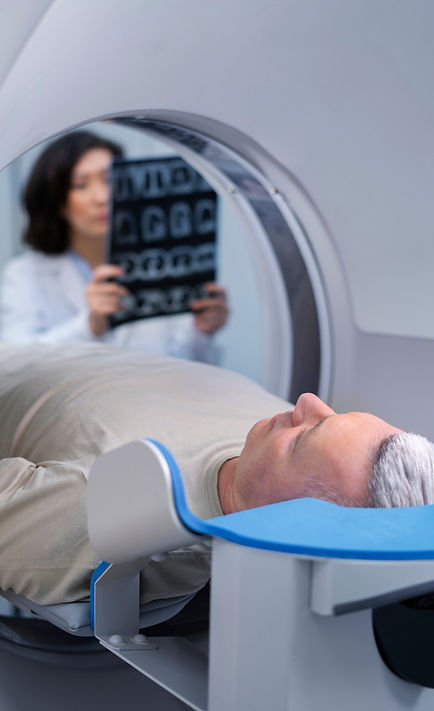
Traumatic Brain Injury (TBI) and concussions involve complex disruptions to brain function that may affect cognition, energy production, and neurological signaling.
Underlying biological contributors may include:
-
Neuroinflammation affecting communication between neurons
-
Impaired cerebral circulation, limiting delivery of oxygen and nutrients
-
Mitochondrial dysfunction reducing ATP production in brain cells
-
Oxidative stress impacting neuronal integrity and signaling
-
Disruption of neurotransmitter balance influencing cognition and mood
-
Altered neural connectivity and signaling efficiency
-
Cellular stress following mechanical injury to brain tissue
These factors may contribute to symptoms such as brain fog, memory issues, fatigue, headaches, and reduced cognitive performance.
MITOCHONDRIAL & CELLULAR ENERGY DYSFUNCTION
The brain is highly dependent on consistent and efficient energy production to maintain cognitive function and neural communication.
Following TBI or concussion, mitochondrial function may be disrupted, leading to:
-
Reduced ATP production needed for neuronal activity
-
Increased oxidative stress affecting cellular stability
-
Energy deficits that may impact focus, memory, and processing speed
-
Cellular fatigue reducing the brain’s ability to recover and adapt
-
Impaired metabolic efficiency within neural tissues
These disruptions may influence how the brain responds to stress, recovers from injury, and maintains normal function over time.
Supporting mitochondrial activity and cellular energy production is an area of growing interest in wellness-based recovery strategies.
HOW RED LIGHT THERAPY
SUPPORTS TRAUMATIC BRAIN INJURY (TBI) & CONCUSSION
Red Light Therapy (photobiomodulation) works by interacting with mitochondria and influencing cellular signaling pathways involved in energy production and recovery.
Key biological effects may include:
1
Activation of cytochrome c oxidase within mitochondria
2
Increased ATP production to support cellular energy demands
3
Release of nitric oxide supporting improved circulation
4
Enhanced blood flow, potentially supporting nutrient delivery to brain tissue
5
Cellular signaling that may influence repair and adaptation processes
6
Support for tissue resilience and recovery capacity
7
Modulation of inflammatory responses in certain contexts
Full-body red light therapy systems utilize a range of wavelengths, including:
480 nm, 590 nm, 605 nm, 830 nm, 630 nm, 650 nm, 670 nm, 810 nm, 830 nm, 850 nm, 905 nm, 940 nm, 1060 nm
These wavelengths are being studied for their ability to interact with different tissue depths and cellular processes.

CONDITION-SPECIFIC MECHANISMS
In the context of TBI and concussion, Red Light Therapy may support several biologically relevant pathways:
-
Support for cerebral microcirculation, which may influence oxygen and nutrient delivery
-
Mitochondrial energy support in neurons, potentially assisting cognitive function
-
Modulation of oxidative stress, supporting neuronal stability
-
Nitric oxide signaling, which may influence vascular function in the brain
-
Support for neuroinflammatory balance, which may impact recovery processes
-
Cellular signaling associated with neural repair and adaptation
-
Support for overall nervous system function and resilience
These mechanisms are being explored as part of broader strategies to support neurological recovery and performance.
BENEFITS PEOPLE REPORT
Individuals exploring Red Light Therapy as part of a wellness approach following TBI or concussion often report:
-
Improved mental clarity and cognitive focus
-
Reduced fatigue and improved energy levels
-
Better ability to concentrate and process information
-
Support for recovery following mental or physical exertion
-
Improved overall sense of well-being
-
Enhanced resilience to stress and daily demands
Experiences vary, and Red Light Therapy is typically used as part of a broader recovery or wellness strategy.
WHY FULL-BODY THERAPY MATTERS
TBI and concussion often involve systemic effects that extend beyond the brain alone.
Full-body Red Light Therapy may offer advantages by:
-
Supporting circulation throughout the entire body, which may influence brain function
-
Enhancing mitochondrial activity across multiple organ systems
-
Providing multi-region exposure that aligns with whole-body recovery
-
Influencing cellular signaling beyond localized areas
-
Supporting overall energy production and systemic resilience
Unlike localized devices, full-body systems are designed to deliver comprehensive exposure, which may better support recovery in complex, multi-system conditions.
RED LIGHT THERAPY + HBOT SYNERGY (LOCKED — USE EXACTLY)
Red Light Therapy and Hyperbaric Oxygen Therapy support recovery and performance by enhancing circulation, oxygen delivery, and cellular energy production.
Red light therapy increases blood flow through vasodilation, allowing oxygen and nutrients to move more efficiently throughout the body. It also stimulates mitochondrial activity, supporting increased ATP production and improved cellular energy.
Hyperbaric oxygen therapy increases oxygen availability in the blood and tissues under pressure, delivering the essential fuel required for cellular repair, regeneration, and metabolic function.
Together, these therapies create a synergistic effect:
-
Enhanced circulation + oxygen delivery to tissues
-
Improved mitochondrial function + ATP production
-
Reduced inflammation + improved cellular environment
-
Increased efficiency of cellular repair and regeneration
👉 “1 + 1 = 3”
Red light therapy often serves as a foundational modality to support circulation and mitochondrial function before or alongside oxygen-based therapies.
SCIENTIFIC CONTEXT
Red Light Therapy is part of a growing field known as photobiomodulation, which focuses on how light interacts with cellular systems, particularly mitochondria.
Research has explored how light-based therapies may influence:
1
Mitochondrial energy production and ATP synthesis
2
Nitric oxide signaling and vascular function
3
Neural tissue support and cognitive performance pathways
4
Cellular resilience and recovery processes
5
Inflammatory signaling within the nervous system
While research continues to evolve, these mechanisms are being studied in the context of supporting neurological recovery, cognitive function, and overall wellness.
FREQUENTLY ASKED QUESTIONS (FAQ)
Does Red Light Therapy support TBI or concussion recovery?
Red Light Therapy is being explored as a supportive wellness approach for improving circulation, mitochondrial function, and cellular energy, which may be relevant in neurological recovery.
How often should I use Red Light Therapy after a concussion?
Frequency varies depending on individual goals and recovery status. Many individuals begin with consistent sessions several times per week.
Is full-body Red Light Therapy better than targeted therapy?
Full-body therapy may provide broader systemic support, which can be important for conditions involving multiple physiological systems.
Can I combine with HBOT?
Yes, combining therapies is commonly explored to support circulation, oxygen delivery, and cellular energy.
Can I combine Red Light Therapy with HBOT?
Yes, combining therapies is commonly explored to support circulation, oxygen delivery, and cellular energy production.
How long before I notice changes?
Some individuals report improvements in energy or clarity within a few sessions, while others benefit from consistent use over time.
DR. JASON SONNERS FROM HBOT USA DISCUSSES DEMENTIA AND HBOT:
